The 4SCM Demo Box: A Place to Experiment, Learn, and Innovate with SAP S/4HANA
How can you test new features in SAP S/4HANA without having to start working in a customer environment right away? At 4SCM , the demo box plays a key role in this. What began as a personal test environment for experimenting with ABAP methodologies has grown into a fully-fledged SAP environment where colleagues share knowledge, test configurations, and explore new technologies. The ultimate goal: to better advise clients and execute projects with thorough preparation.
From a personal testing environment to a shared knowledge resource
The idea for the demo box came about out of curiosity. As a SAP Silver Partner , we’re always looking for ways to innovate. One of our consultants installed SAP on a virtual machine on his own PC so he could experiment with complex ABAP methodologies outside of existing client systems. Once this environment was up and running smoothly, the idea arose to make these capabilities available to colleagues as well.
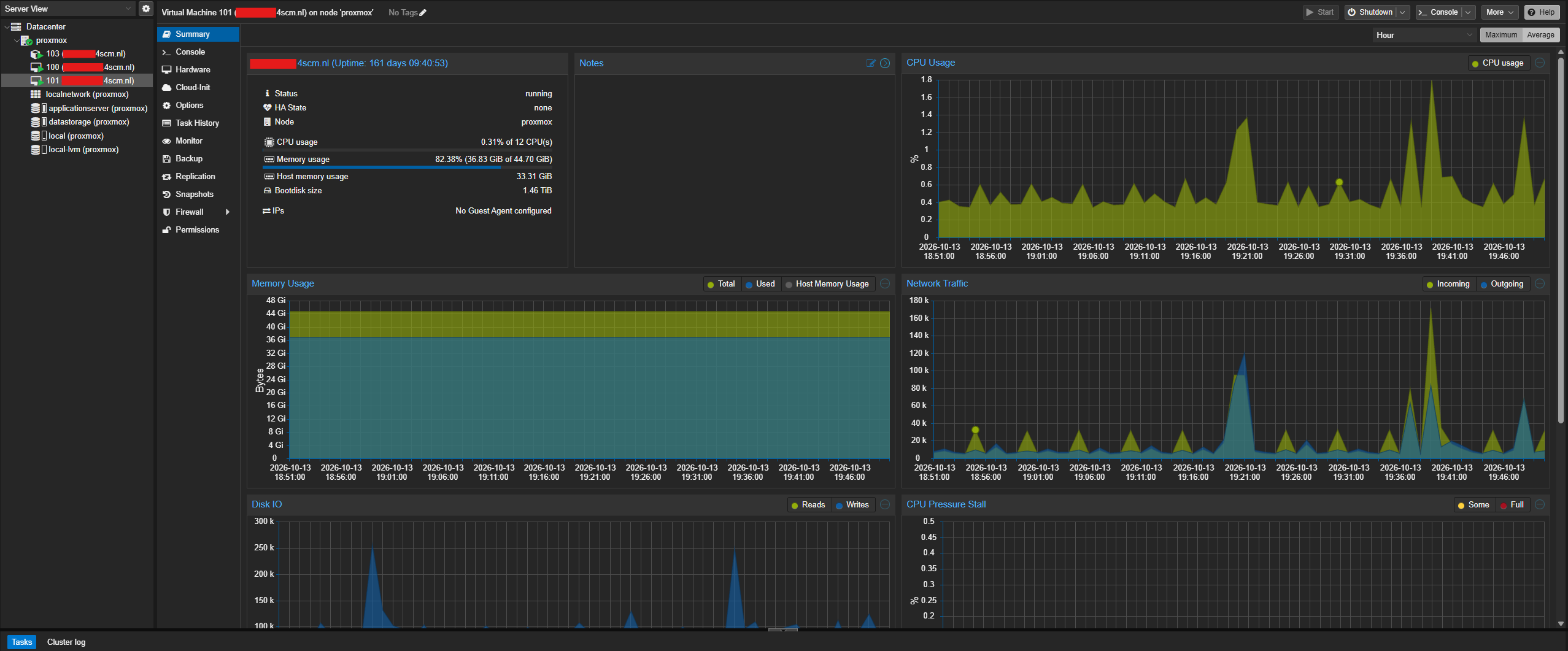
In this way, the personal test environment evolved into a shared environment where consultants can independently review configurations, try out new features, and gain knowledge. At the same time, the demo box serves as an important reference point: a standard SAP environment we can rely on when a complex issue arises at a client’s site.
Although having our own SAP environment is not unique in the consulting world, the added value for 4SCM lies primarily in the way we use it. The demo box is not only a technical testing environment, but also a place where we learn together, exchange knowledge, and further develop ideas.
4SCM Demo Box: A learning process that laid the foundation for the current environment
Before the current demo box was available, 4SCM already had an earlier demo environment. It was primarily used to experiment with ABAP and gain experience with the installation of SAP S/4HANA.
Setting up such an environment, however, requires more than just installing a functioning system. Factors such as the correct software versions, the use of SAP Maintenance Planner, the necessary hardware, and the basic technical configuration also play an important role. The first environment was therefore primarily a learning environment, where we gained experience with the technical aspects of SAP.
That experience formed the basis for the current demo box: an environment that better aligns with SAP’s guidelines and that we can use more broadly for research, experimentation, and knowledge sharing.
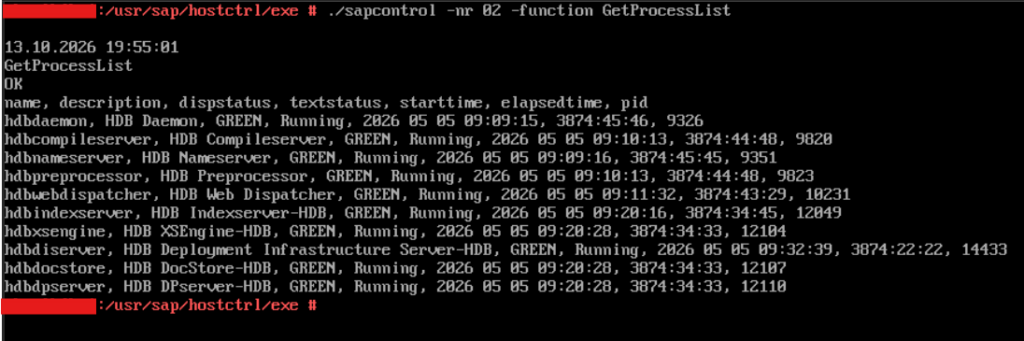
What should we do with the demo box?
These days, we mainly use the demo box as a resource for colleagues. Within the SAP S/4HANA environment, they can view configurations, test processes, and investigate how certain features behave. Examples include testing ABAP code and trying out processes within Extended Warehouse Management (EWM).
In addition, we keep the environment as up-to-date as possible so that we can identify and evaluate new features early on. This gives us insight not only into what is technically possible, but also into its practical applicability.
A good example is the analysis of the integration with Toyota T-ONE. By examining this integration at an early stage, we were able to identify the technical requirements and dependencies. This helps us identify potential bottlenecks sooner and develop a more targeted action plan.
Experimenting with the possibilities of AI within the demo box
At 4SCM, we closely follow developments in AI. We previously wrote a blog post about how to “talk” to SAP using Claude. One development we’re following with great interest is the continued integration of AI into SAP S/4HANA. By exploring new possibilities in our own environment, we gain a better understanding of the applications that might be of interest to our customers.
This will allow us to explore how AI can use SAP data to answer questions about, for example, deliveries and inventory. We’ll also examine how AI can support developers in writing or improving ABAP code.
In doing so, we look not only at what is possible, but also at the technical requirements and limitations. What data is needed? How does the integration with SAP work? And which applications actually deliver added value in practice? By experimenting with these questions, we build up knowledge that we can use to provide targeted advice to our clients.
Opportunities to further develop ideas
Our ambitions for the demo box extend beyond the applications we’re already exploring today. Above all, we want to provide an environment where everyone can develop ideas and discover what’s possible within SAP S/4HANA.
This could involve new logistics processes, in-house ABAP developments, or integrations with AI. We also want to push the system’s limits and experiment with solutions for which there isn’t always enough time or scope within a client project.
It is precisely that freedom that is valuable. A project often revolves around a specific client request, with corresponding planning and deadlines. In the demo box, there is more room to explore alternatives, test different scenarios, and learn from what works and what doesn’t. This allows initial ideas to develop into concrete solutions that we may later be able to apply for clients.
How does this affect the customer?
Ultimately, the demo box isn't just about technology; it's mainly about the added value we can offer our customers.
By testing complex solutions in advance in our own environment, we can identify technical dependencies and potential showstoppers earlier. This helps us be better prepared when we start working in the client’s system and minimizes risks wherever possible. The demo box helps us improve our services and customer service.
The demo box also provides a solution for complex issues. By comparing the behavior of a customer environment with an SAP environment configured as close to standard as possible, we can investigate the source of a problem more precisely. This gives us an additional point of reference when analyzing and resolving technical issues.
In addition, the environment allows us to explore new SAP features and AI applications on our own. This enables us not only to tell clients what is technically possible, but also to better explain which options are relevant to their situation and what it will take to implement them.
Keep discovering and improving
The demo box has become much more than just a place to test code. It’s an environment where technical knowledge grows, colleagues learn from one another, and new ideas are given room to flourish. By continuing to experiment with SAP S/4HANA, logistics processes, and AI, we’re building expertise that we can immediately apply to our client projects.
Because the better we understand both the capabilities and the limitations of SAP, the better we can help our clients make informed decisions and successfully implement solutions.
Want to know more?
Feel free to contact us, and we’ll see what we can do for your organization.